Uncovering the Healing Secrets of Skullcap
Herbal remedies have long offered natural support for health and well-being. Among these, skullcap stands out as a versatile herb with a rich history and promising benefits. If you’ve heard the name but don’t know much about it, this post will introduce you to skullcap, explain its uses, and help you decide if it might be a helpful addition to your wellness routine.
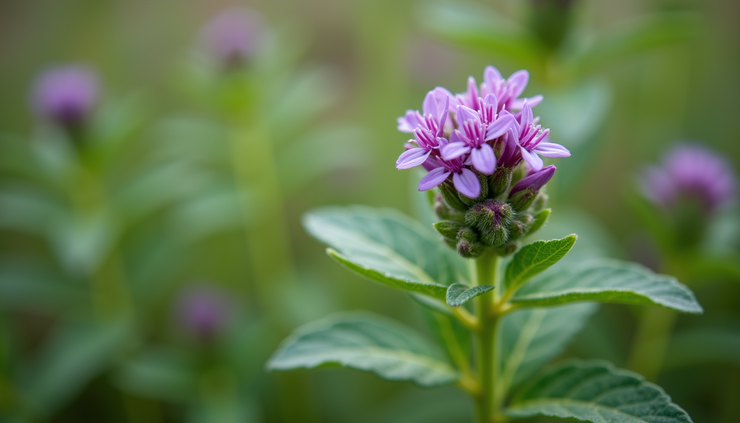
What Is Skullcap?
Skullcap is a member of the mint family, native to North America and parts of Asia. It grows as a small perennial plant with distinctive green leaves and delicate purple-blue flowers. There are two main types commonly used in herbal medicine:
American skullcap (Scutellaria lateriflora)
Chinese skullcap (Scutellaria baicalensis)
Both varieties have been used for centuries, but they contain different active compounds and are often applied for different purposes.
Historical Use of Skullcap
Traditional herbalists have valued skullcap for its calming and healing properties. Native American tribes used American skullcap to ease nervous tension and promote relaxation. In Traditional Chinese Medicine, Chinese skullcap has been used to reduce inflammation and support liver health.
These historical uses laid the foundation for modern herbalists to explore skullcap’s potential benefits.
How Skullcap Works in the Body
Skullcap contains flavonoids, which are natural compounds with antioxidant and anti-inflammatory effects. Some of the key flavonoids include baicalin, baicalein, and wogonin. These compounds interact with the nervous system and immune system in ways that may:
Support relaxation and reduce mild anxiety
Help manage occasional insomnia
Reduce inflammation in the body
Protect cells from oxidative stress
While research is ongoing, early studies suggest skullcap’s flavonoids influence brain receptors related to calming effects and may help regulate immune responses.
Common Uses of Skullcap Today
People use skullcap in various forms, including teas, tinctures, capsules, and extracts. Here are some of the most common reasons people turn to skullcap:
1. Supporting Calm and Reducing Stress
Many turn to skullcap to help manage everyday stress and promote a sense of calm. It is often used as a natural alternative to mild sedatives or anti-anxiety medications. Some users report feeling more relaxed without drowsiness.
2. Improving Sleep Quality
Skullcap may help those who struggle with occasional sleeplessness. Its calming properties can support falling asleep faster and improving sleep depth, though it is not a replacement for medical treatment of chronic insomnia.
3. Easing Muscle Tension and Spasms
Traditionally, skullcap has been used to relieve muscle tightness and spasms. This makes it popular among people with tension headaches or muscle cramps.
4. Supporting Immune Health
Chinese skullcap, in particular, is studied for its anti-inflammatory and immune-supporting effects. It may help reduce symptoms of inflammation-related conditions, though more research is needed.
How to Use Skullcap Safely
If you want to try skullcap, here are some practical tips:
Start with a low dose to see how your body reacts.
Use standardized extracts to ensure consistent potency.
Avoid combining skullcap with sedatives or alcohol without medical advice.
Pregnant or breastfeeding women should consult a healthcare provider before use.
Look for products from reputable sources to avoid contamination.
Skullcap is generally considered safe for short-term use, but long-term safety data is limited.
Potential Side Effects and Interactions
Most people tolerate skullcap well, but some may experience mild side effects such as:
Drowsiness
Dizziness
Upset stomach
Because skullcap can enhance the effects of sedatives, it may interact with medications like benzodiazepines or sleep aids. Always check with a healthcare professional if you take prescription drugs.
Incorporating Skullcap Into Your Routine
Here are some ways to add skullcap to your wellness habits:
Tea: Brew dried skullcap leaves or use tea bags for a calming drink before bed.
Tincture: Take a few drops of skullcap tincture diluted in water for quick absorption.
Capsules: Use standardized capsules for consistent dosing, especially if you prefer convenience.
Herbal blends: Combine skullcap with other calming herbs like chamomile or valerian for enhanced effects.
Experiment with different forms to find what works best for you.
What the Research Says
Scientific studies on skullcap are promising but still limited. For example:
A 2017 study found that skullcap extract helped reduce anxiety symptoms in animal models.
Research on Chinese skullcap shows anti-inflammatory effects that may benefit conditions like arthritis.
Some lab studies suggest antioxidant properties that protect brain cells from damage.
More human clinical trials are needed to confirm these benefits and establish effective dosages.


Comments